
How California's lemon law presumptions shift the burden to manufacturers, define a lemon, and protect you in a vehicle warranty claim.




 Written by Babak Hashemi, Esq.
How California's lemon law presumptions shift the burden to manufacturers, define a lemon, and protect you in a vehicle warranty claim.
Lemon laws include a powerful tool for consumers: a presumption of defectiveness. If you can show multiple repair attempts or a serious unresolved issue within a set time, the vehicle is presumed defective and the burden shifts to the manufacturer to prove it is not.
This shift matters because it addresses the imbalance between individual buyers and large automakers, who hold most of the information and resources about their own products. Placing the burden on the manufacturer holds them accountable and gives consumers real security in their purchase decisions.
A lemon is a vehicle with a substantial defect that impairs its use, value, or safety and that cannot be repaired after a reasonable number of attempts. California's presumption of substantial impairment, along with mileage and time thresholds, helps establish when a vehicle crosses that line.
Understanding these concepts is the key to navigating the pre-litigation and legal process with confidence. An experienced lemon law attorney can help you determine whether your vehicle qualifies.
Manufacturers must be given a fair chance to fix a defect before a vehicle is considered a lemon. This usually means several attempts, though it can be as few as two for serious safety defects, and certain time and out-of-service thresholds also apply.
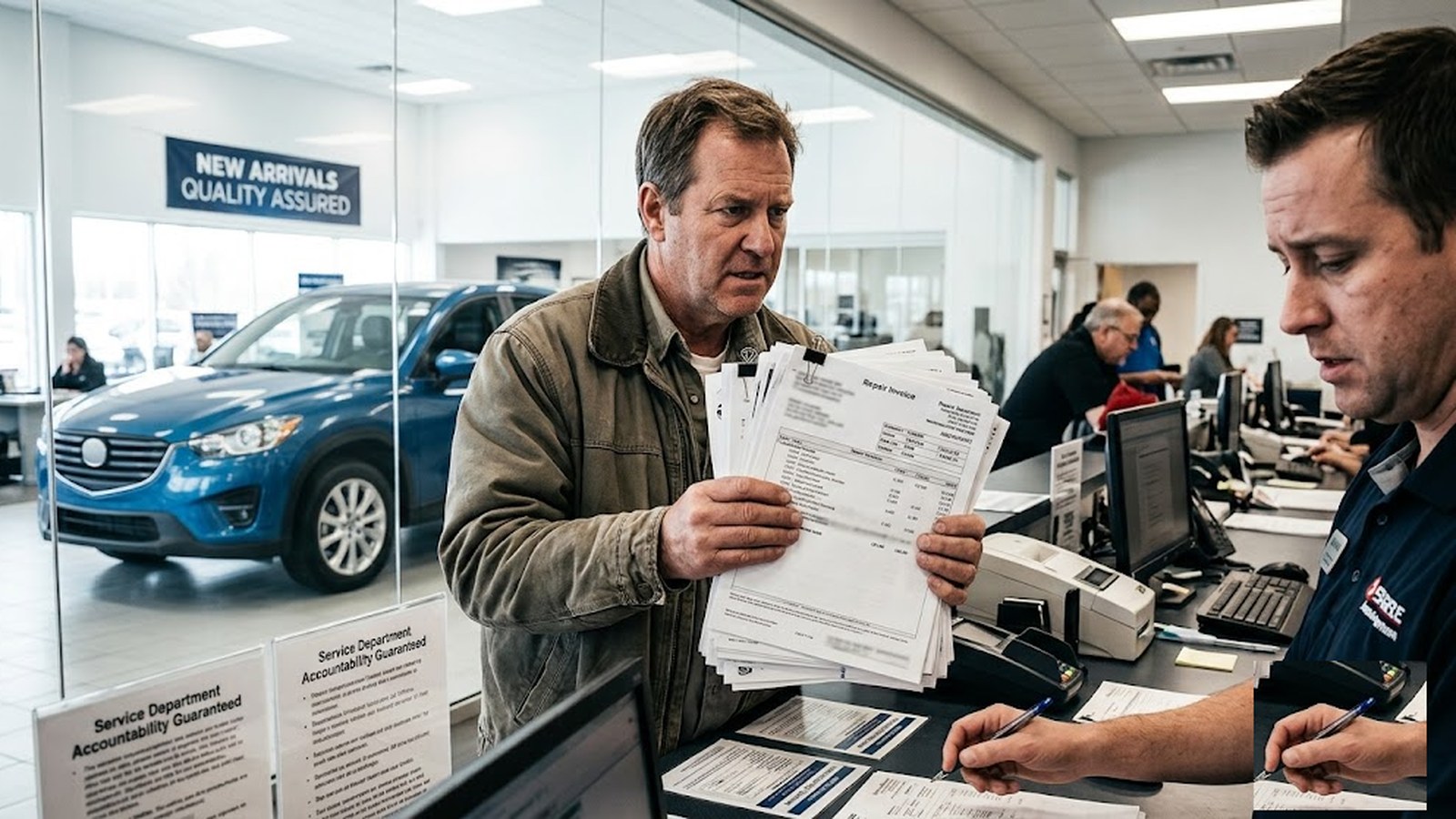
Keeping detailed records of every repair attempt, including dates, descriptions of the problem, and invoices, is what proves you met this requirement. When a manufacturer fails to complete repairs within the required timelines, your claim only gets stronger.
Success takes more than dissatisfaction, it takes evidence. Keep every repair order, document each defect, and preserve all correspondence with the manufacturer or dealer.
An attorney who focuses on lemon law understands how to organize that evidence, negotiate with manufacturers and dealerships, and pursue compensation or a replacement vehicle on your behalf, guiding you through each step of the claims process.
Lemon law presumptions exist to level the playing field, but using them effectively requires knowing how to document and present your case. The Hashemi Law Firm helps consumers leverage these protections to pursue a refund, replacement, or settlement.
Under the Song-Beverly Act, the manufacturer typically pays your attorney's fees on a successful claim. Contact the Hashemi Law Firm for a no fee case evaluation.
Ordinarily a consumer would have to prove a vehicle is defective. California reverses that in qualifying cases: once the repair history meets the statutory thresholds, the vehicle is presumed to be a lemon and the manufacturer must show otherwise.
That shift matters because the manufacturer holds the engineering data, the technical service bulletins, and the repair records across its entire fleet. Placing the burden on the party with the information is what makes the protection meaningful.
A presumption is not an automatic win. It establishes a starting position, and a manufacturer can still present evidence that the defect was caused by abuse, unauthorized modification, or neglected maintenance.
It also does not extend a warranty. The defect generally must have been reported while the vehicle was still covered.
Learn more about our California lemon law practice, or read related articles on our blog.
The Hashemi Law Firm represents clients throughout California from two Orange County offices — Foothill Ranch and Costa Mesa — with service across the San Francisco Bay Area and the Inland Empire and San Diego. Call (949) 464-8529 or contact us for a no fee case evaluation.
Every situation is different. For advice about your specific matter, contact The Hashemi Law Firm for a no fee consultation.
A lemon law presumption is a legal rule that treats a vehicle as defective once a set number of unsuccessful repair attempts or days out of service has been reached, shifting the burden to the manufacturer to prove the vehicle is not a lemon.
The strongest statutory presumption applies within that window, but a claim is not automatically over afterward. A vehicle may still qualify under the general provisions of the Song-Beverly Act while the warranty remains in effect.
Dated repair orders that identify the same complaint, invoices, records of days the vehicle was out of service, and written communication with the dealer or manufacturer.
Send us a few details and we’ll reach out. No fee, no obligation.
Get a no-fee, no-obligation case evaluation today.