
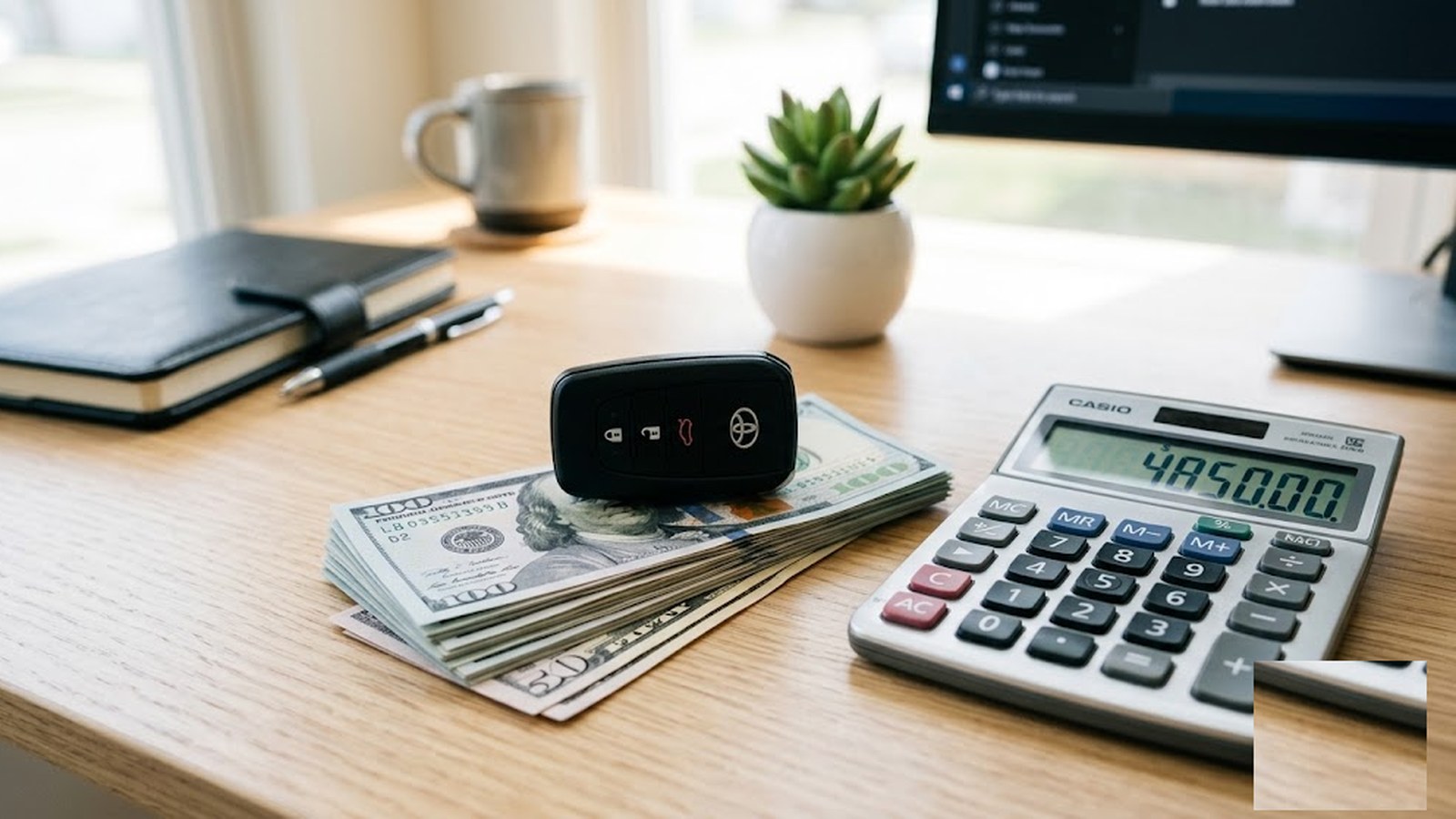
A California lemon law claim is typically worth a full refund of what you paid (or a replacement vehicle), minus Statutory Deductions, plus your incidental costs, and up to two times your damages in civil penalties if the manufacturer acted willfully.




 Written by Babak Hashemi, Esq.
A California lemon law claim is typically worth a full refund of what you paid (or a replacement vehicle), minus Statutory Deductions, plus your incidental costs, and up to two times your damages in civil penalties if the manufacturer acted willfully.
The value of a lemon law claim comes down to what you paid for the vehicle, how it was financed, and how the manufacturer behaved. Most successful claims end in a buyback or a replacement, and stronger cases add civil penalties on top.
Because the manufacturer usually pays your attorney fees, the recovery generally lands in your pocket rather than going to legal costs.
In a buyback, the manufacturer refunds your down payment, the monthly payments you have made, and the remaining loan balance, effectively unwinding the purchase.
They may also reimburse incidental costs like towing, rental cars, and registration.
Instead of a refund, you can often choose a replacement, a substantially similar new vehicle, with the manufacturer covering the difference.
Which option is better depends on your financing and your plans for the car.
If the manufacturer knew the vehicle qualified and still refused to repurchase it, California law allows a civil penalty of up to two times your actual damages.
This is where claim values can climb well beyond the price of the car.
Under the Song-Beverly Act, a manufacturer that loses generally must pay your reasonable attorney fees, which is why most consumers pay nothing out of pocket.
This is general information, not a valuation of your case. For an assessment of your specific situation, contact The Hashemi Law Firm for a no fee case evaluation.
Claim value tracks the purchase price, how the vehicle was financed, incidental costs, and whether the manufacturer's conduct supports a civil penalty. Two owners of identical vehicles can see different figures based on financing alone.
Incidental costs such as towing, rental vehicles, registration, and finance charges are often recoverable and are easy to overlook.
Some matters resolve with the owner keeping the vehicle in exchange for a payment. That can suit an owner who otherwise likes the car or who does not want to restart financing.
Whether it is the better option depends on the defect, the remaining warranty, and the owner's plans for the vehicle.
Learn more about our California lemon law practice, or read related articles on our blog.
The Hashemi Law Firm represents clients throughout California from two Orange County offices — Foothill Ranch and Costa Mesa — with service across the San Francisco Bay Area and the Inland Empire and San Diego. Call (949) 464-8529 or contact us for a no fee case evaluation.
Every situation is different. For advice about your specific matter, contact The Hashemi Law Firm for a no fee consultation.
A lemon law buyback generally includes the down payment, the monthly payments made, and the remaining loan balance, plus incidental costs, reduced by Statutory Deductions for use before the first repair attempt.
Where a manufacturer's failure to repurchase is found to be willful, California law allows a civil penalty of up to two times the consumer's actual damages.
In most successful California lemon law claims the manufacturer pays the consumer's reasonable attorney fees under the Act's fee-shifting provision.
Send us a few details and we’ll reach out. No fee, no obligation.
Get a no-fee, no-obligation case evaluation today.