
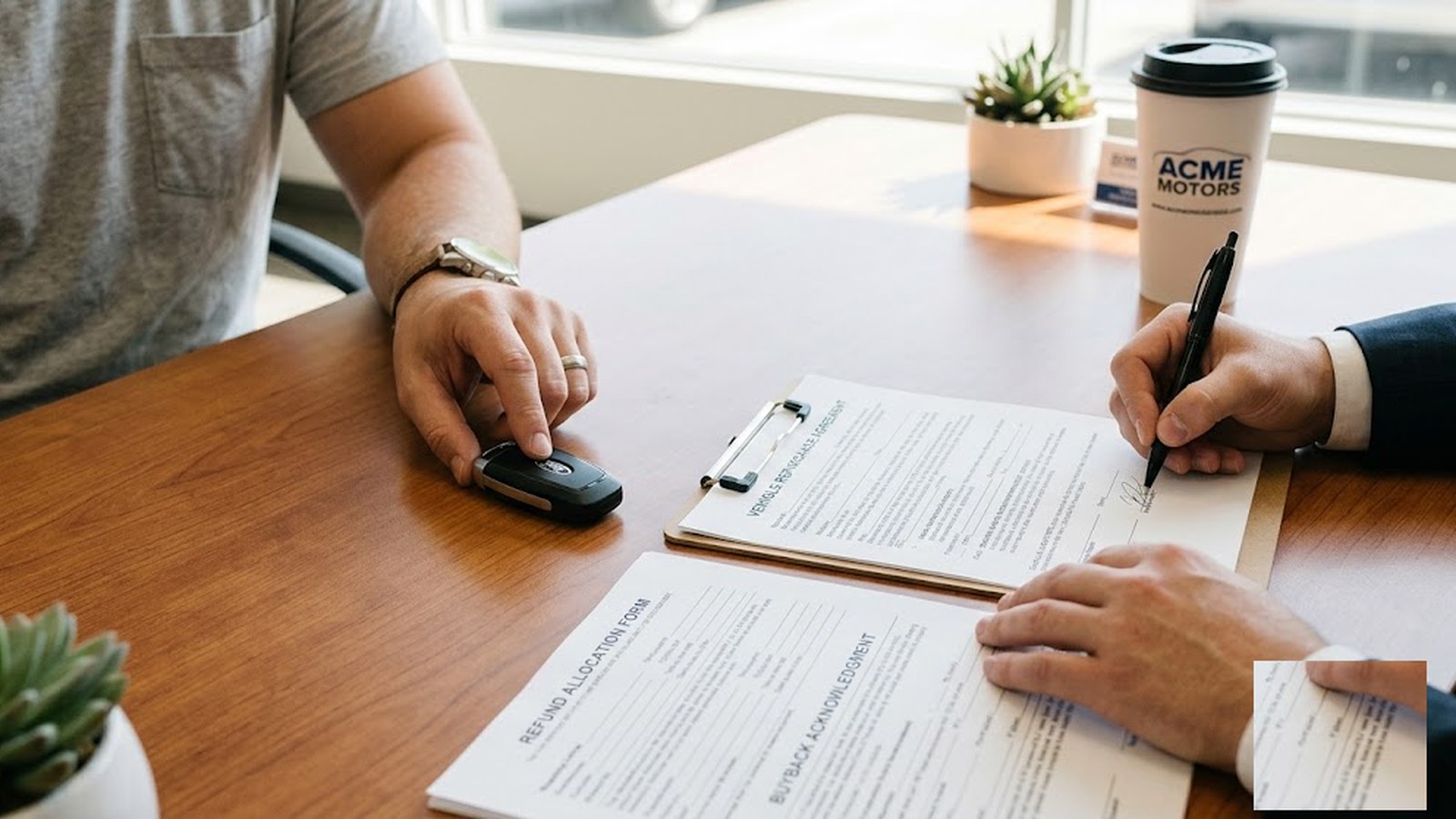




In most cases, no. California’s lemon law generally does not apply to a vehicle bought in a private-party sale, even if the car still has time left on the manufacturer’s warranty. Private sellers are not manufacturers or licensed dealers, and most private sales are made “as is.”
California’s lemon law is the Song-Beverly Consumer Warranty Act. It places obligations on the manufacturer that issued the warranty, not on a private individual selling a used car. When you buy from a neighbor, a private online listing, or any non-dealer seller, the seller has no lemon law duty to repair, replace, or refund.
Most private sales are also conducted “as is,” meaning the buyer accepts the vehicle in its current condition. An “as is” sale disclaims the implied warranties that consumer protection law would otherwise attach, which further removes the transaction from lemon law coverage.
In Rodriguez v. FCA US, LLC (decided October 2024), the California Supreme Court held that a used vehicle sold with only the remaining balance of the original manufacturer’s warranty is not a “new motor vehicle” under the lemon law. The case involved a used truck purchased with an unexpired factory warranty that could not be repaired after multiple attempts — and the Court found the refund-or-replace provisions did not apply.
The practical effect: carrying the leftover factory warranty is no longer enough on its own. What matters is how the warranty attached to your purchase.
Even after Rodriguez, a used vehicle may still be protected when:
Because the distinction is technical, it is worth having the paperwork reviewed. Our guide to the used car lemon law in California covers CPO and dealer-warranty situations in more detail.
If a seller actively concealed a known defect or misrepresented the vehicle’s condition or history, you may have claims outside the lemon law — for example, under the Consumer Legal Remedies Act or for fraud. Those claims turn on what the seller knew and said, not on the warranty. If you believe a defect was hidden from you, contact our office for a no fee review.
Generally no. The lemon law places duties on manufacturers, not private sellers, and most private sales are made “as is,” which disclaims the warranties that would otherwise apply.
Not automatically. After the 2024 Rodriguez decision, carrying only the balance of the original factory warranty is not enough on its own. Coverage generally requires a CPO sale or a warranty issued with the sale by a licensed dealer or manufacturer.
An “as is” sale means the buyer accepts the vehicle in its present condition. It disclaims implied warranties, which is a key reason private sales usually fall outside lemon law protection.
Possibly. If the seller concealed a known defect or misrepresented the car, you may have fraud or Consumer Legal Remedies Act claims that do not depend on the lemon law. Have the facts reviewed to know where you stand.
A Certified Pre-Owned vehicle sold by a licensed dealer with a manufacturer-backed warranty issued at the point of sale may still qualify, even after the 2024 ruling.
Whether you bought new, CPO, or used, we can review your paperwork and repair history at no cost.